Pro Finish Plastering
When you engage experienced plaster specialists, you secure flawless surface readiness, expertly mixed materials, and even application-whether working with cement, lime, or gypsum plasters. Skilled tradespeople use premium trowels, hawks, and advanced techniques to create resilient, crack-resistant, and flawless finishes. They preserve structural integrity and boost fire resistance, combining traditional craftsmanship with contemporary standards. By selecting experts, you decrease callbacks and costly errors, while preserving both heritage character and architectural details. Find out more about what makes unique true professionals in this field.
Main Highlights
- Skilled plaster artisans deliver seamless, durable finishes by implementing innovative methods and products tailored to each project's specific requirements.
- Professional plasterers deliver proper surface preparation, decreasing defects and enhancing long-term structural integrity in both new builds and renovations.
- Expert contractors provide a variety of plastering solutions, encompassing traditional gypsum, lime, and cement plasters, as well as heritage and decorative work.
- Working with skilled contractors secures compliance with safety standards, project timelines, and exceptional quality that improves both aesthetics and durability.
- Selecting skilled plasterers assists in decreasing waste of materials, controlling costs, and delivering finishes that blend perfectly with architectural features and period features.
The Critical Role of Expert Plastering in Construction
Although plastering may seem like a finishing touch, quality plastering work is crucial for both the strength and beauty of any construction project. Through technically proficient plastering, you achieve optimal plaster results-meaning the surface is durable, crack-resistant, and visually seamless. Thorough substrate preparation is essential; you must assess substrates for moisture, contaminants, and unevenness before applying any plaster. When these measures are overlooked, you risk poor adhesion, delamination, or premature surface failure. Professional plasterers employ exact mixture proportions, uniform application methods, and professional equipment to create even layers and polished surfaces. By controlling setting times and environmental conditions, you ensure proper plaster hardening. Finally, choosing superior plaster application preserves construction integrity and improves the aesthetic appeal of your construction.
What to Look for When Choosing a Plaster Contractor
Given how substantially expert plastering impacts both durability and aesthetics, choosing the right plaster contractor represents a vital element in your project's outcome. You require a contractor with a proven track record in exact application methods and comprehensive knowledge of plaster material selection. Review their expertise to suggest materials-such as gypsum, lime, or cement plasters-based on your base, environment, and quality expectations. Prioritize contractors who show a rigorous commitment to plastering security, including the adoption of personal protective equipment and compliance with site safety protocols. Strong project management capabilities, dedication to surface preparation, and proficiency in handling both traditional and modern plastering systems are also essential. Ultimately, a dependable plaster contractor guarantees perfect finishes, adherence to timelines, and enduring structural integrity.
Comprehensive Plastering Services by Expert Professionals
When you work with a skilled plaster contractor, you benefit from a comprehensive selection of plastering services customized for various construction and renovation projects. You'll find these experts experienced in implementing traditional lime plaster, gypsum-based plaster, and cement render, each needing precise selection of plaster mix for optimal adhesion and durability. Contractors can perform internal wall skimming, external rendering, patch repairs, and decorative cornice work. They analyze substrate conditions, adapting the plaster mix ratio to match specific surfaces-ensuring crack resistance and longevity. Expert applicators use advanced finishing techniques such as trowel polishing, sponge floating, or sand-textured finishes for both visual and functional outcomes. Whether you require smooth walls or elaborate textures, professional plasterers provide tailored solutions using top-quality materials and methodologies.
The Benefits of Working With Expert Plastering Specialists
By employing skilled plasterers, you'll receive an excellent finish with even texture, sharp edges, and lasting performance. Their proficiency minimizes material wastage and improves the application process, conserving your time and budget. You'll experience industry-standard techniques that optimize efficiency while maintaining quality.
Outstanding Finish and Lasting Quality
Though modern materials provide multiple possibilities, professional plasterers regularly achieve a superior finish and outstanding durability that sets their work from the rest. You'll observe their meticulous approach to substrate preparation, which guarantees perfect adhesion and a perfect substrate. Adequately prepared surfaces eliminate complications like fracturing, peeling, or inconsistent settling, optimizing the sustained performance of plaster systems. Skilled contractors also perfect specialized surface finishes, from fine trowel to elaborate Venetian or rustic, adapting each application to your project's specifications. Their professional knowledge permits them to combine traditional methods with current advancements, establishing surfaces that repel impact, moisture, and daily wear. By choosing skilled plasterers, you acquire not only visual refinement but also structural integrity, securing your walls and ceilings stand the test of time.
Efficiency in Time and Cost
Because experienced plasterers possess advanced skills and deep material understanding of optimal efficiency during every stage of the plastering process - from substrate preparation to end results. Skilled tradespeople optimize project timelines by effectively managing application timing, curing periods, and work scheduling. Their extensive experience minimizes expensive errors, such as inadequate base preparation or inconsistent material thickness, which often need rework and corrections. By selecting professional services, you ensure optimal material utilization, reducing waste and avoiding unnecessary expenses.
Furthermore, professional plasterers provide top-tier plastering finishes and sophisticated decorative elements without delays, merging performance with stunning appearance. They employ cutting-edge tools and proven procedures, so your project remains timely and economically sound. This streamlined approach produces consistent costs and uniform results, enhancing both worth and project effectiveness.
Critical Errors Skilled Plasterers Successfully Avoid
Even though all plastering work brings its own unique challenges, experienced contractors consistently avoid mistakes that might undermine both the structural integrity and visual appeal of their work. You'll observe that they rigorously adhere to plastering safety protocols, making certain nothing undermines site conditions or worker safety. Expert plasterers prevent common issues such as inadequate base preparation, incorrect mixing ratios, and improper setting duration-all of which can lead to cracking, separation, or reduced durability. When executing decorative plastering, they prevent design irregularities and surface flaws through precise application methods and by using the appropriate tools. They also tackle challenges including excess moisture or weak attachment by picking appropriate products for each setting. Finally, their technical expertise confirms your plasterwork is both durable and aesthetically pleasing.
How Plaster Contractors Achieve Smooth and Durable Results
Professional plaster contractors carefully manage each phase of the plastering process to produce surfaces that are both smooth and long-lasting. Skilled craftsmen use advanced troweling techniques to eliminate surface imperfections and deliver uniform texture. Careful substrate preparation, incorporating priming and leveling, avoids adhesion failures and cracks. Professionals choose plaster mixes engineered for ideal workability, setting time, and moisture resistance, crucial for moisture-prone spaces where humidity is high. They lay down base coats and finish coats with precision, keeping consistent thickness to avoid weak spots. For decorative finishes, professionals utilize specialty plasters and tools, creating intricate textures or high-sheen surfaces without reducing durability. Attention to curing times and environmental conditions helps guarantee a robust, defect-free result that endures throughout the years.
The Importance of Plastering in Renovation and Restoration Efforts
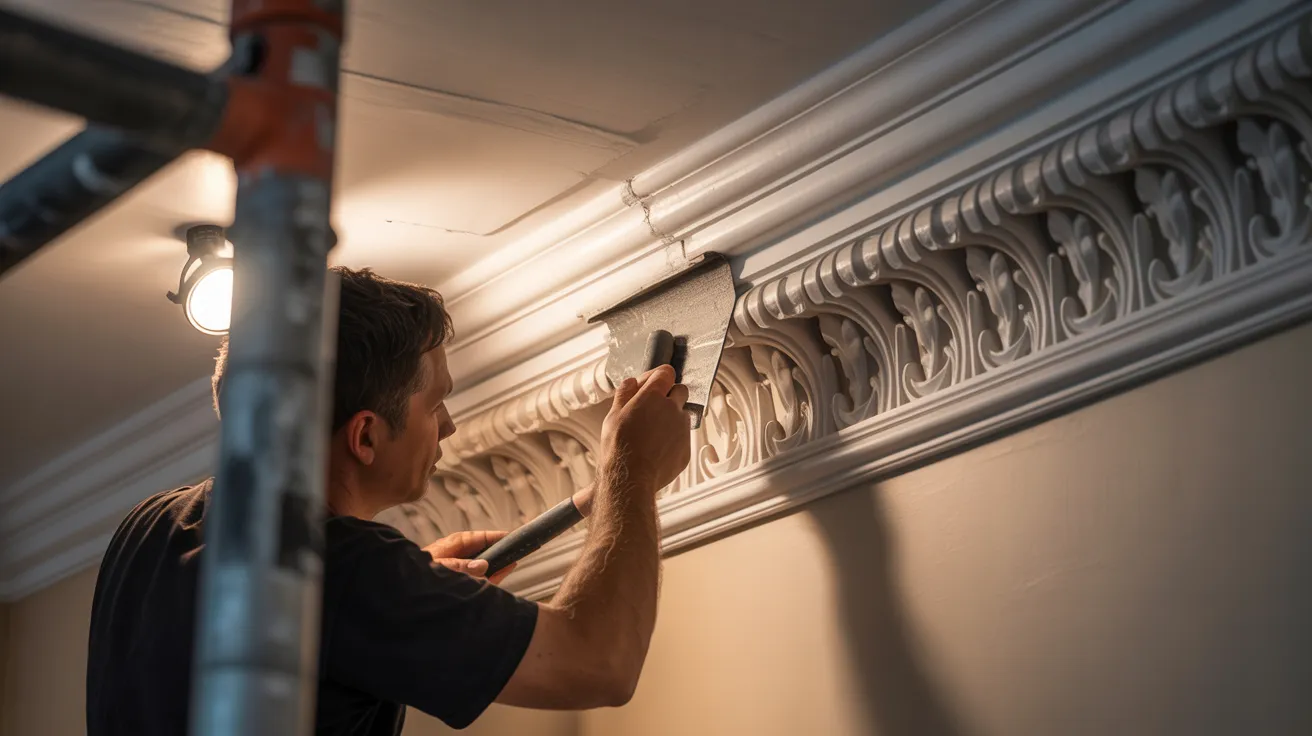
As you approach restoration or renovation projects, plastering is crucial in maintaining historical character while improving structural performance. It's clear that skilled plaster contractors inspect underlying materials, fix structural issues, and recommend proper materials to blend with or upgrade existing surfaces. Plastering isn't just about repair; it's about re-creating the original character. Whether you're renovating intricate trim or refreshing walls with creative textures, meticulous application processes ensure perfect integration with the original architecture. Surface treatments can mirror historical techniques, offering both design consistency and tactile authenticity. By using compatible materials and respecting architectural details, you safeguard your building's heritage while increasing durability, insulation, and fire resistance. Finally, thorough plastering work enhances both aesthetic and functional outcomes in your project.
Tools and Techniques Employed by Expert Plasterers
Although plastering may appear straightforward, professional plasterers depend on a specialized collection of tools and refined techniques to deliver perfect, long-lasting results. You'll find that specialists use high-quality finishing tools and materials to achieve level, consistent surfaces. Quality mixing paddles guarantee plastering adhesives reach the optimal consistency for durable bonding and reduced cracking. Plasterers skillfully apply base coats and finishing plasters, using guides and feathering techniques to achieve sharp corners and seamless joins. For decorative finishes, they often employ particular finishing tools and implements, creating detailed patterns and custom textures. Excellence of these tools and techniques enables you to achieve both strength and aesthetic appeal, guaranteeing your plasterwork excels for its quality and long-lasting performance.
Key Cost Factors When Hiring Plaster Contractors
Grasping the various cost components for plaster contracting is vital for precise budget preparation, as project budgets can vary significantly. Initialize with a more info detailed financial assessment, considering labor rates, which change according to project complexity and contractor experience. Choice of materials - like lime, gypsum, or cement plaster - substantially influences overall expenses, as do surface issues needing remediation. Work extent and architectural details, such as curved surfaces or ornamental work, further affect cost calculations. Consider site accessibility, as difficult-to-reach areas may add to labor charges. For detailed financial planning, obtain comprehensive proposals, making sure all components - such as scaffolding, cleanup, and waste disposal - are factored in. By evaluating these factors, you'll obtain a thorough grasp of the necessary budget for quality plastering work on your project.
Essential Tips for Selecting the Perfect Plastering Expert for Your Renovation
To guarantee excellent outcomes and lasting quality with your plasterwork, choosing a qualified professional is vital. First, evaluate the specialist's previous projects, specifically seeking demonstrations of ornamental work that complement your design preferences. Review their knowledge of advanced products like Venetian plaster or lime-based materials, and validate their professional competence in both preparation and application techniques. Make sure to check credentials, insurance, and past client feedback to guarantee dependability and adherence to safety standards. Thoroughly discuss completion dates, material selection, and maintenance options. Don't hesitate to ask for a demonstration of any custom texture to assess quality. By prioritizing technical prowess and artistic vision, you'll select a plaster contractor who delivers exceptional results.
Common Questions
What's the Typical Curing Time for Plaster?
When working with plaster, it's important to understand how the drying time and curing process aren't the same. Typically, plaster dries to the touch within 24-48 hours, depending on temperature and humidity. However, total curing takes longer-usually 4-6 weeks. During this curing process, moisture gradually evaporates, permitting the plaster to achieve its highest hardness and durability. Make sure not to paint or finish the surface prior to the curing process is complete to avoid compromising the finish.
How Does Extreme Weather Affect Plastering Work?
Did you know that plaster's hardening process can reduce by up to 50% at temperatures lower than 5°C? During plastering in challenging weather, you encounter major problems like accelerated drying, splitting, or slow curing. To address these challenges, you need to use temporary enclosures, heating equipment, or insulation materials. Proper insulation enhances the curing process, maintaining ideal climate conditions, ensuring your plaster reaches the required quality, strength, and lasting finish.
Is Plastering Safe for People With Allergies or Asthma?
In terms of allergy considerations and asthma safety, you should be aware that plastering can release fine dust and volatile compounds throughout the preparation and installation process. If you suffer from asthma or allergies, you'll want to make certain of proper ventilation and use dust-minimizing techniques. Select hypoallergenic or low-emission plaster products for fewer respiratory issues. Don't forget to utilize personal protective equipment like masks and goggles. Once fully dried, properly installed plaster typically releases few allergens, but early protective steps are necessary for those with sensitivities.
What Environmental Effects Do Contemporary Plaster Materials Have?
Are you aware of the impact your plaster materials influences the environment? Modern plaster typically relies on gypsum, which requires significant energy for extraction and processing, elevating carbon emissions. Nevertheless, you can opt for eco friendly options like lime-based plasters, which take in CO₂ during the curing process. Manufacturers now implement sustainable practices, including recycled materials and energy-efficient kilns. When choosing these options, you'll contribute to lowering the environmental impact while still achieving superior finishes.
How Should Plastered Surfaces Be Maintained Over Time?
To preserve plastered surfaces looking their best, you should carry out routine surface cleaning using a soft-bristled brush or moistened cloth to remove dust and debris, steering clear of abrasive materials that might harm the finish. Be sure to verify paint compatibility before adding any new coatings, making sure the plaster is completely dry and free of moisture. Regularly check for breaks or loosening, and fix minor repairs immediately to avoid moisture ingress and protect structural integrity.
Final Thoughts
Collaborating with experienced plaster contractors ensures exceptional and impeccable results. You'll bypass shoddy shortcuts and obtain structurally sound surfaces, because of their specialized skill set and superior standards. Utilizing their knowledge of products, careful techniques, and advanced machinery, your project gains both beauty and durability. Don't downplay the difference dedicated contractors offer consistent results, maximizing your returns and reducing mistakes. Make the right choice, and your work will stand the test of time.